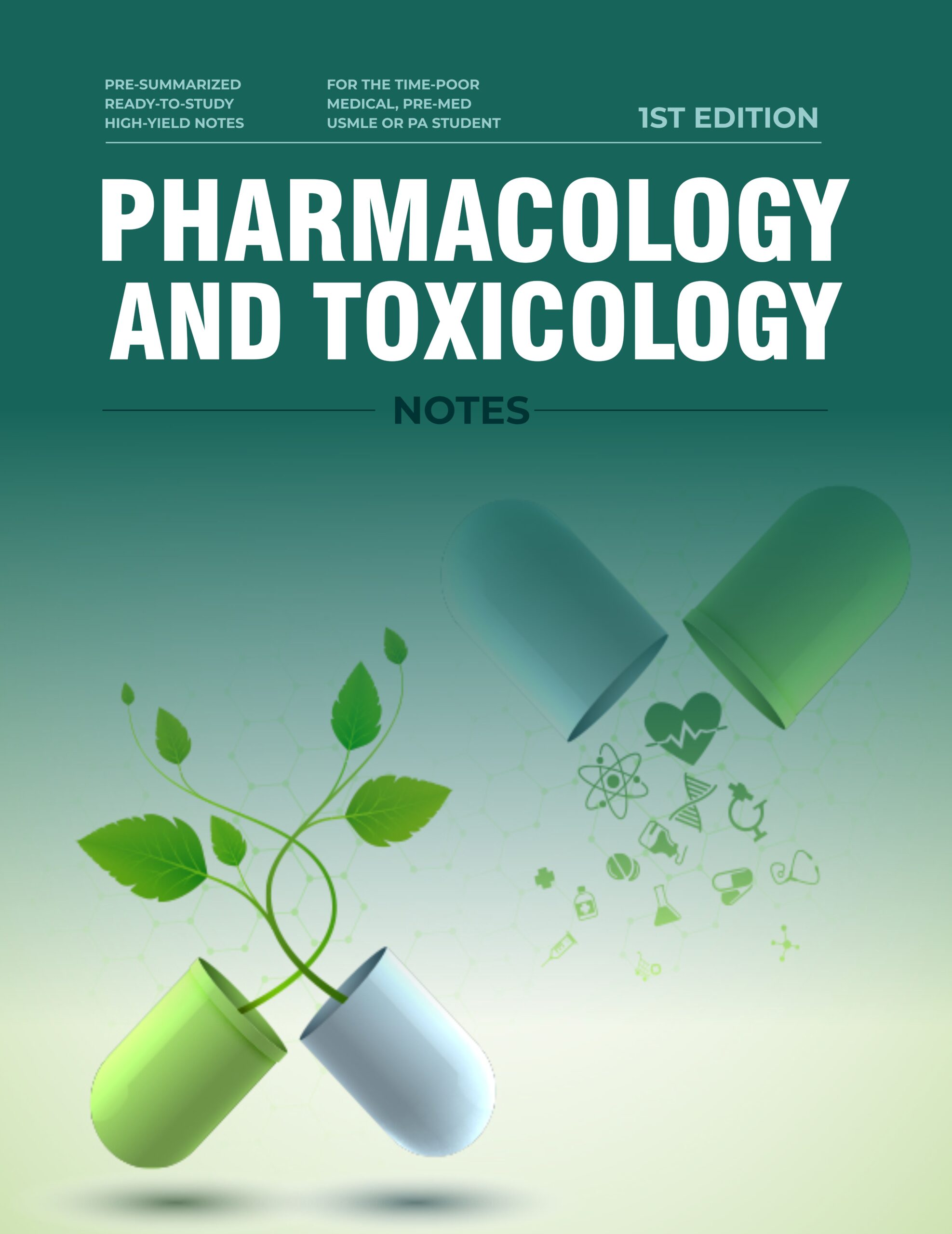
Pharmacology
₹299.00
1. *Introduction to Pharmacology:*
– Basic principles of pharmacology (pharmacodynamics, pharmacokinetics, and pharmacogenomics).
– Terminology used in pharmacology (e.g., drug receptors, agonists, antagonists).
2. *Drug Classification:*
– Drugs categorized by their therapeutic use (e.g., analgesics, antibiotics, antihypertensives).
– Drugs grouped by their chemical structure (e.g., beta-blockers, corticosteroids).
3. *Pharmacokinetics:*
– Absorption, distribution, metabolism, and excretion of drugs (ADME).
– Factors affecting drug absorption and bioavailability.
4. *Pharmacodynamics:*
– Mechanism of action of drugs (how drugs exert their effects on the body).
– Drug-receptor interactions and dose-response relationships.
5. *Toxicology:*
– Adverse drug reactions and side effects.
– Toxic effects and the management of overdose.
6. *Therapeutic Applications:*
– Drug treatment for specific conditions (e.g., diabetes, hypertension, cancer).
– The role of pharmacology in clinical practice.
7. *Drug Interactions:*
– Interactions between drugs and how they can affect drug efficacy and safety.
– Synergistic, antagonistic, and additive effects.
8. *Pharmacogenomics:*
– How genetics influence drug responses.
– Personalized medicine and drug therapy tailored to an individual’s genetic profile.
9. *Case Studies and Clinical Guidelines:*
– Real-world examples and case studies on drug therapy.
– Guidelines for prescribing and monitoring drug therapy in various conditions.
10. *Drug Development and Regulatory Issues:*
– The process of drug discovery and approval.
– Regulatory agencies like the FDA and their role in drug safety.
11. *Ethical and Legal Aspects:*
– Ethical considerations in pharmacology.
– Laws and regulations governing drug use and prescription.
Each chapter generally includes tables, diagrams, and references to make the concepts clearer and easier to understand.


Reviews
There are no reviews yet.